Hiring a videographer
What an event videographer does, what full coverage costs, and how to hire one who delivers a finished film — with a deposit, a backup plan, and a clear timeline.
Updated August 25, 2026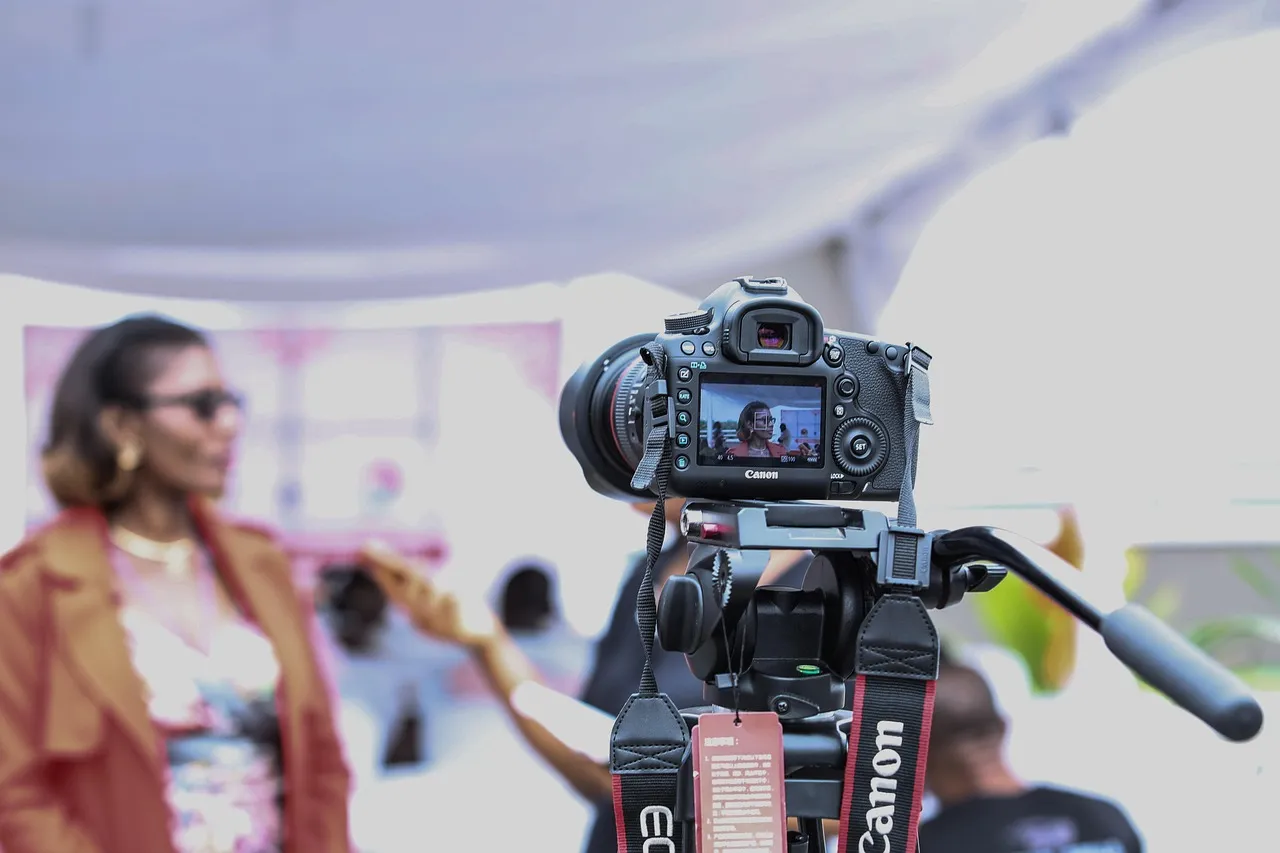
On this page
Questions to ask before you hire
- Can I see a full edited film from an event like mine, not just a highlight reel?
- Do you bring backup cameras, audio, and batteries, and a second shooter if needed?
- What's the deposit, and what's your policy if my date changes or you fall ill?
- When do I get the final video, and in what formats and lengths?
- Do you capture audio separately — vows, speeches, toasts — with dedicated mics?
Red flags
- A demo reel of only quick cuts, with no full-length edit to prove they can sustain a story.
- No backup gear or contingency for equipment failure on a one-shot day.
- Vague or missing delivery timeline — "sometime in a few months."
- No deposit terms or written contract covering date changes and cancellations.
What a videographer does
An event videographer captures your event on video and edits it into a finished film — a wedding feature, a highlight reel, a documentary-style edit of a conference or performance. The deliverable is not raw footage; it’s a story with pacing, music, and clean audio, cut down from hours of recording into something you’ll actually watch.
The work splits in two: the shoot and the edit. On the day they’re capturing angles, movement, and — critically — sound, often with separate microphones on speakers and officiants. Afterward comes the larger hidden job of editing, which is why delivery takes weeks, not days. A videographer is not an event photographer: one makes moving footage with sound, the other makes stills. Many events want both, and the two need to coordinate so they’re not fighting for the same frame. For how to split your budget between them, see photo vs video coverage.
What it costs
Event videography typically runs $1,000 to $8,000 per event. A few hours of single-camera coverage with a short highlight edit sits at the low end; all-day coverage with two shooters, drone footage, same-day edits, and a full feature film lands at the top. Three things move the price:
- Coverage hours and crew — a second shooter and longer days add cost fast.
- Edit complexity — a short highlight reel is cheaper than a full film plus multiple cut-downs.
- Experience and gear — cinema cameras, drones, and a strong reel command a premium.
See the full breakdown in our videographer cost guide.
Biggest red flag: A demo reel of only quick cuts, with no full-length edit to prove they can sustain a story.
How to choose one
Watch a full edited film, not just a sizzle reel. Anyone can string together pretty three-second clips; the test is whether they can hold a story across several minutes with clean audio. Speeches and vows live or die on sound, so ask how they capture it — dedicated mics, not just the on-camera mic.
A professional shows up with backup cameras, spare batteries, and a plan if gear fails, because an event doesn’t happen twice. They give you a written contract, a clear deposit, and a delivery date in weeks. An amateur travels light, works off one camera, and gets vague about when you’ll see the film. Lock the deposit terms and a date-change policy in writing before you book.
What to prepare before you start
Give your videographer a shot list of the moments that matter to you and a timeline of the day, and introduce them to your photographer and DJ so the coverage and the audio line up. Tell them where the speeches happen so they can mic it. Book early — good videographers fill popular dates a year out — and put your date on hold with a signed contract and deposit as soon as you decide.

Frequently asked questions
How much does a videographer cost? Typically $1,000–$8,000 per event. Where you land inside that range depends far more on scope and complexity than on who you hire, which is why two honest quotes for the same job can differ widely. Full breakdown in the videographer cost guide.
What should I ask before hiring a videographer? Start with these two, because they separate a professional from someone with a website: “Can I see a full edited film from an event like mine, not just a highlight reel?” and “Do you bring backup cameras, audio, and batteries, and a second shooter if needed?” The full checklist is above — take it to the call rather than trying to remember it.
What are the warning signs when hiring a videographer? The one that matters most: a demo reel of only quick cuts, with no full-length edit to prove they can sustain a story. Also watch for this — no backup gear or contingency for equipment failure on a one-shot day. None of these are dealbreakers on their own, but each is a reason to ask a harder question.
How do I know if I actually need a videographer? Hire when the time it costs you to do it yourself is worth more than the fee, or when getting it wrong is expensive to undo.
How do I compare quotes fairly? Give every candidate the same written scope, or you are comparing interpretations rather than prices. The project brief builder produces one, and the freelance contract template covers what to put in writing once you have chosen.